THE ANSWER TO CANCER

Medical X-rays are 2 to 4 times more mutagenic than high-energy beta and gamma rays, per rad of exposure...
“There’s actually no such thing as a cancer-causing gene…” —Dr. Bruce Lipton
Cancer is not a death sentence. It is a wake-up call. The body is speaking to you. When you clean up your environment, reduce your toxic load, and nourish your cells, the body knows how to heal. Studies show that only 5% to 10% of cancers are linked to inherited genetics. The vast majority are connected to lifestyle and environmental factors—the food we eat, the toxins we are exposed to, the stress we carry, and the lack of natural sunlight and movement. This is not a mysterious disease. It is a predictable result of modern living combined with a medical cartel that refuses to acknowledge the obvious.
We must stop believing that only experts with government approval have the answers. Real health knowledge comes from understanding our own bodies, trusting natural medicine, and seeking independent voices that prioritize truth over profit. The $4.5 billion didn’t fail to find a cure because the science is too hard. It failed because the system isn’t designed to find a cure. It is designed to collect donations, fund research that maintains the status quo, and keep patients coming back for more treatment.
The statement “We do not know what causes cancer” is not a confession of ignorance—it is a shield to protect a multi‑billion‑dollar industry. The time has come to stop donating our money and our trust to that system and to start reclaiming our health through knowledge, natural living, and the courage to question everything.
The cancer industry is a profit-driven machine, and the last thing it wants is a breakthrough that prevents or cures cancer cheaply. The American Cancer Society has collected billions in donations while admitting on their own website that they do not know what causes cancer. That’s not a bug; it’s a feature. They are funded by the same pharmaceutical companies that sell chemotherapy drugs at markups of thousands of dollars per dose.
The cancer industry is one of the most profitable machines on the planet. It’s not designed to cure you. It’s designed to keep you sick and paying. Big companies lobby against regulation and then hide the toxic damage so they can keep making money. This applies directly to cancer. They know that pesticides, herbicides, and industrial chemicals cause the cellular chaos that leads to tumors. But acknowledging that would hurt profits. So they fund studies that cast doubt, and they push expensive drugs that manage symptoms while ignoring root causes.
The American Cancer Society tells us their mission is to end cancer. Yet after collecting $4.5 billion in donations over five years, their own website still admits, “We do not know what causes cancer.” That’s not a typo. It’s a confession. If after all that money the best they can say is they still don’t know what causes the disease, then we have to ask: where did those billions go? And why hasn’t that mountain of cash brought us any closer to a cure? Follow the money, and the path leads straight to a system designed for profit, not healing.
The American Cancer Society's (ACS) so-called "dietary recommendations" for reducing cancer risk are nothing more than a carefully crafted deception—another arm of the globalist-controlled medical-industrial complex designed to keep people sick, dependent on Big Pharma and ignorant of the true causes and cures of cancer. While they preach moderation, exercise and plant-based diets, they deliberately omit the real culprits behind skyrocketing cancer rates: toxic food additives, GMOs, pesticides, processed foods, vaccines, electromagnetic pollution and the deliberate poisoning of our environment through chemtrails and bioweapons.
The ACS advises maintaining a "lean body weight" to reduce cancer risk, framing obesity as a primary driver of disease. But this is a smokescreen. While excess weight can contribute to inflammation, the real issue is what people are eating—not just how much. The modern food supply is laced with glyphosate, artificial sweeteners, high-fructose corn syrup and synthetic preservatives—all of which disrupt metabolism, damage mitochondria and trigger cancer.
The ACS refuses to address the Rockefeller-funded takeover of agriculture that replaced nutrient-dense, organic foods with toxic, lab-engineered substitutes designed to make populations sick. The ACS promotes physical activity as a cancer prevention strategy, yet ignores the fact that exercise alone cannot counteract the effects of chemtrail heavy metals, fluoride in water or mRNA-induced spike protein damage. Their guidelines fail to warn people about the dangers of exercising outdoors in areas saturated with aluminum, barium and strontium from geoengineering programs—toxins that accumulate in the lungs and brain, leading to neurodegenerative diseases and tumors.
The ACS pushes a "plant-based diet" as a solution, but this is another trap. While fruits and vegetables should be cancer-fighting superfoods, today's produce is contaminated with pesticides, bio-sludge (sewage waste used as fertilizer) and GMOs that alter human DNA. The globalists want people eating pesticide-laden greens while avoiding nutrient-dense animal foods like grass-fed beef and organ meats—foods packed with cancer-fighting vitamins A, D and K2. Meanwhile, processed vegan foods (soy, fake meats, seed oils) are loaded with estrogen-mimicking compounds that fuel hormone-driven cancers.
The ACS demonizes red meat, falsely linking it to cancer while ignoring the real carcinogens: processed meats injected with sodium nitrite (a known cancer trigger) and factory-farmed meat pumped full of antibiotics and growth hormones. Grass-fed, organic red meat is one of the most nutrient-rich foods on the planet—full of conjugated linoleic acid (CLA), which fights cancer. But the globalists don't want people knowing that. Instead, they push insect protein, lab-grown meat and Bill Gates' fake food empire—all part of the depopulation agenda.
The ACS warns against alcohol, yet stays silent on the far deadlier toxins in our food and water supply. Alcohol in moderation (especially red wine) contains resveratrol, a potent anti-cancer compound. But the ACS would rather people avoid alcohol entirely while guzzling aspartame-laden diet sodas—a neurotoxin linked to brain tumors.
The ACS warns against salt while ignoring the real danger: processed foods loaded with toxic additives. Natural sea salt is essential for health, but the globalists want people to be weak and dehydrated. Even worse, the ACS discourages supplements, despite mountains of evidence showing that vitamin D3, selenium and iodine prevent cancer. Why? Because Big Pharma can't patent nutrients, so they'd rather people rely on chemotherapy (a $200 billion industry) instead of curing themselves with cheap, natural remedies.
The ACS promotes breastfeeding—good advice—but ignores how vaccine-induced infertility and mRNA spike protein damage are destroying mothers' ability to nurse. The COVID jabs have caused miscarriages, stillbirths and toxic breast milk, yet the ACS remains silent.
Big companies lobby against regulation and then hide toxic damage so they can keep profiting. This is exactly what happens in medicine. Pharmaceutical companies profit from lifelong management, not cures. A single course of chemotherapy can cost tens of thousands of dollars. Compare that to a bottle of herbal tincture that costs a fraction. The system is designed to suppress cheaper, non-patentable treatments.
The ACS is a front for Big Pharma. Their "guidelines" are designed to keep people chasing ineffective lifestyle changes, while ignoring the real cancer triggers:
Vaccines (HPV, COVID jabs) containing SV40 and spike proteins that cause turbo-cancers
Chemtrails spraying carcinogenic heavy metals
GMOs and pesticides engineered to gut human health
Processed foods loaded with endocrine disruptors
EMF radiation from 5G and smart devices frying our cells
True cancer prevention means detoxing from these poisons, eating organic, avoiding vaccines and using proven anti-cancer herbs like turmeric, black seed oil and graviola. But the ACS won't tell you that—because curing cancer doesn't profit the globalists.
When the organizations that collect donations are run by the very people who profit from keeping cancer a lifelong business, you have your answer about why no cure has been found. Think about the incentives. Oncologists earn a large portion of their income from administering chemotherapy. Hospitals charge tens of thousands of dollars for a single infusion. Global spending on cancer medicines hit $223 billion in 2023, and it’s projected to reach $409 billion by 2028. That’s not a system built to cure patients. That’s a system built to manage disease for recurring revenue. A cure would end the cash flow.
So the research dollars go toward marginally better drugs that can be patented and sold at high prices, not toward understanding the root causes of cancer or testing low-cost natural therapies. Meanwhile, any approach that doesn’t fit the profit mold gets aggressively suppressed.
The very institutions we trust to protect us, like the FDA, often end up serving the same companies they’re supposed to regulate. Executives move back and forth between pharmaceutical firms and regulatory agencies, a revolving door that quietly trades public health for corporate gain. Big companies routinely lobby against regulations that would threaten their profits, even when those regulations would protect our food, air, and water.
The same pattern plays out in cancer research: funding flows to patentable drugs, while natural, non-patentable therapies—like vitamin C, curcumin, or light therapy—are sidelined or actively suppressed. The suppression isn’t accidental. It’s a deliberate strategy to maintain market dominance. When studies show promising results for cheap, natural treatments, the pharmaceutical machine funds counter-studies designed to cast doubt. We’ve seen this with vitamin D and cannabis. The message becomes: 'These remedies are unproven or dangerous,' even though decades of traditional use and emerging science suggest otherwise.
For decades, the medical machine has told us that cancer starts with a mutation in a single gene. You are just unlucky, they say, or your family passed down a broken piece of DNA. This belief drives the entire cancer industry. It leads to billions of dollars spent on genetic testing, targeted therapies, and the never-ending search for the “cure” in the genome. But the truth is, after all that money and effort, we have not won the war on cancer. The rate of new cases is still rising. The World Health Organization is warning that cancer cases are set to nearly double by 2050, from around 20 million new cases a year now to almost 35 million. Something is not working.
A better explanation is: your cells are like a community, and the nucleus containing your genes is not the brain of the cell—it is more like a reproductive organ. The real control comes from the cell membrane, which reads signals from the outside world. Those signals tell the cell what to do, and they even turn genes on or off. This is the science of epigenetics. It means your genes are not a fixed script. They are a set of possibilities that are activated by what you eat, what you breathe, how you think, and the toxins you are exposed to. So when a cell becomes cancerous, it is not because a gene broke. It is because the environment around the cell became so toxic or stressed that the cell had to switch into a survival mode.
Natural medicine offers simple, powerful answers. Herbs like wormwood, black walnut hull, and clove oil can target parasites and toxins that feed cancer. Vitamin D from sunlight, a clean diet, and detoxification can restore the body’s ability to heal. But these cannot be patented, so they are ridiculed and marginalized. The system relies on your fear.
The WHO and other global health bodies are supposed to protect us. Instead, they echo the same tired narrative: more screening, more chemo, more radiation. They rarely mention that only 5-10% of cancers are linked to inherited genetics. The rest come from what we eat, breathe, and absorb. They don’t talk about the massive COVID-19 vaccine rollout as a possible driver of turbo cancers.
Cancer already affects roughly one in three people in many countries (and closer to one in two for men in some places), and the numbers are rising fast. While aging populations and lifestyle factors play a role, many in our community are asking the hard question: how much of this explosion is linked to the massive rollout of mRNA and other vaccines over the past few years?
Turbo cancers and aggressive cases in younger people are being reported more and more. The mainstream narrative avoids the connection, but the pattern is hard to ignore. We need real investigation, not more denial. Medical Research Money goes to individuals and organizations who are working from an allopathic perspective ONLY. Cancer research is not cancer research. It is allopathic, reductionistic, pharmaceutical-centrist cancer research.
As you have learned by now, the allopathic view of disease is a reductionistic one, and ALL of their cancer treatment therapies and ALL of their research about how cancers form and how to treat cancer are filtered through that one lens. But it is the wrong lens, and that is precisely why there are so very few successful allopathic treatments for cancer. It is why we have lost the war on cancer.
If allopathic medicine has failed for 200 years to come up with cures for asthma, arthritis, depression and heartburn, how successful do you think it would be at curing cancer? The allopathic PR machine, however, will tell you that there have been “great advances” in cancer treatment, and that we are on the verge of a “tremendous breakthrough.” It seems that we are always on the verge of a tremendous breakthrough. But we are not.
How many people do you know who have cancer? How many of them have been cured of cancer? How many of them are still alive. Of the ones that are alive, how is the quality of their lives? How much did their cancer treatments cost? What were the side-effects of the treatment? If their cancers are currently in remission, what are their probable outcomes?
According to the WHO, global cancer cases are expected to rise by 77% by 2050. When most people hear that, it can feel scary. And if cancer runs in your family, it can feel like your fate is already “sealed.” But studies show that only around 5–10% of cancer cases are linked to inherited genetics. The rest are associated with lifestyle and environmental factors. Which can affect something most people never even consider: Your metabolism. The way your body produces energy every single day.
Imagine a system that tells you it’s searching for a cure, yet profits more when you stay sick. That’s the cancer industry. It’s not a conspiracy theory; it’s a business model. The numbers tell the story: global spending on cancer medicines hit $223 billion in 2023, and projections say it will nearly double to $409 billion by 2028. These drugs are often toxic, expensive, and rarely deliver a true cure. Oncologists themselves derive about 65% of their income from chemotherapy drugs. That’s a powerful incentive to keep administering treatments that manage symptoms rather than eliminate disease. This profit motive doesn’t just shape doctor’s choices—it shapes the entire system.
In the world of modern medicine, the cancer industry stands as a stark example of how profit motives can overshadow patient well-being. The term 'cancer industry' is not just a metaphor; it is a reality that has been shaped by historical events and economic incentives. The cancer industry is a profit-driven system that has suppressed potential cures and alternative treatments for decades.
Cancer treatment is a lucrative business. Pharmaceutical companies, hospitals, and oncologists generate substantial recurring revenue through the lifelong management of chronic illness.
Chemotherapy and radiation, the cornerstones of conventional cancer treatment, are particularly profitable. The markup on chemotherapy drugs can be astronomical, with some drugs costing thousands of dollars per dose. Insurance reimbursements further inflate these costs, making cancer treatment a highly profitable endeavor.
The FDA, which is supposed to protect public health, often ends up serving the interests of the pharmaceutical industry. This influence extends to the design of clinical trials, which are often structured to favor pharmaceutical interventions.
Former pharmaceutical employee whistleblower accounts reveal a troubling prioritization of profits over patient outcomes. These insiders have exposed how clinical trials are manipulated to produce favorable results for new drugs, even when those drugs are not significantly more effective than existing treatments. The cost of conventional cancer treatments is astronomical, placing a heavy financial burden on patients.
The relentless pursuit of profit is particularly evident in the realm of chronic illness and cancer treatment, where the suppression of natural cures and the promotion of lifelong treatments have become the norm. At the heart of the pharmaceutical business model is the reliance on chronic illness for recurring revenue.
Unlike acute conditions that can be treated and resolved, chronic illnesses require ongoing management, often involving daily medication. This model ensures a steady stream of income for pharmaceutical companies, as patients remain dependent on their products for years, if not for life.
Conditions such as diabetes, hypertension, and even certain types of cancer are managed rather than cured, creating a perpetual market for pharmaceutical interventions. This approach is not merely a coincidence but a calculated strategy to maximize profits. The American Cancer Society’s mission is to ‘receive donations to cure cancer.’ But after $4.5 billion in just 5 years, their own website still states:
‘We do not know what causes cancer.’
‘No cancer is curable.’
So where does all that money go? Follow the trail: Big Pharma sponsors, conflicts of interest, and a revolving door between nonprofits and the drug industry. The same companies profiting from treatments sit on their boards, fund their research, and influence their messaging. If the goal was truly a cure, wouldn’t we have one by now? The system isn’t broken—it’s working exactly as designed.
Despite promising results in treating cancer, the FDA has repeatedly targeted "alternative" practitioners, subjecting them to numerous legal battles and attempts to discredit their research. This pattern of suppression is not isolated but part of a broader strategy to maintain the status quo, where profitable treatments are prioritized over effective cures. The FDA, along with other regulatory agencies, often acts as a gatekeeper, ensuring that only treatments that align with the financial interests of the pharmaceutical industry gain approval.
The revolving door between pharmaceutical companies and regulatory agencies further complicates this landscape. Executives frequently transition between roles in pharmaceutical companies and positions within the FDA, CDC, and other regulatory bodies. This interchange creates a conflict of interest, where the individuals responsible for approving drugs and treatments have a vested interest in the success of the very companies they are supposed to regulate. This incestuous relationship undermines public trust and raises serious questions about the integrity of the regulatory process.
Patents play a crucial role in stifling competition from natural, non-patentable therapies. Pharmaceutical companies invest heavily in developing patented drugs, which can be sold at a premium. Natural therapies, such as turmeric or vitamin C, cannot be patented and thus do not offer the same financial incentives. Consequently, these natural remedies are often sidelined, despite their potential effectiveness. The patent system, while intended to foster innovation, instead creates a barrier that protects the financial interests of pharmaceutical companies at the expense of public health.
The discrediting of natural therapies is another tactic employed by pharmaceutical companies. By funding studies that cast doubt on the efficacy of natural treatments, they can maintain their market dominance. For instance, vitamin D and cannabis have been subjected to such campaigns, where negative or inconclusive studies are highlighted to deter public interest. This strategy ensures that the focus remains on patented, profitable treatments, rather than on potentially effective, but non-patentable, natural remedies.
Medical licensing boards play a crucial role in restricting access to alternative therapies. These boards, often influenced by the pharmaceutical industry, set stringent standards that alternative treatments struggle to meet. The bias in cancer research funding is another glaring issue. Funding is predominantly directed toward patentable drugs rather than natural, nonpatentable solutions. This bias ensures that research into natural treatments, which cannot be patented and thus are less profitable, is often overlooked.
A single course of chemotherapy can cost tens of thousands of dollars, not including the additional costs of hospital stays, surgeries, and other associated treatments. In contrast, natural therapies, such as dietary changes, supplements, and light therapy, are often far less expensive. This cost disparity highlights the financial motives behind the promotion of conventional treatments over potentially more effective and less costly alternatives.
It is crucial for readers to question the motives behind mainstream cancer narratives. The medical industry's profit model is deeply entrenched, and the suppression of alternative treatments is a well-documented phenomenon. By seeking independent research and considering the historical context of suppressed cures, individuals can make more informed decisions about their health.
One of the most damning pieces of evidence against the medical establishment is the deliberate concealment of sunlight’s role in cancer prevention. Decades of research have linked vitamin D deficiency—directly tied to lack of sun exposure—to increased cancer risk. The science of light therapy has advanced far beyond ancient sunbathing, though the principles remain the same.
The cancer industry's profit-driven approach has led to a system where the most effective treatments are not always the most promoted. By understanding the financial incentives and historical suppression of alternative therapies, readers can better navigate the complex landscape of cancer treatment and make choices that prioritize their well-being over corporate profits.
We're creating cancer patients out of healthy people, treating cellular adaptations as if they were death sentences, and in the process, causing more harm than the "cancers" we claim to prevent. The very foundation of oncology—its definition of what cancer is and why it occurs—represents a catastrophic misunderstanding of cellular biology, evolutionary adaptation, and the quantum biophysics of life itself.
This misunderstanding has created a medical-pharmaceutical killing machine that profits from fear, while suppressing the profound truth: cancer is not a genetic mistake, but an ancient survival program, not an enemy, but a messenger, not irreversible, but capable of spontaneous resolution when we address its true causes.
Cancer is a prime example of how heavy metal toxicity, free radical damage, pathogen infection, inflammation, mitochondrial dysfunction, immune system depression, mineral and vitamin deficiencies, genetic mutation, cell wall damage, and oxidative stress all come together into an end-stage life-threatening condition. The best way is to address all these problems simultaneously, by trapping cancer tumors/cells in a lethal fire of concentrated nutritional substances.
In the quest to understand cancer beyond the confines of conventional medicine, we find ourselves exploring territories that mainstream science often overlooks or dismisses. One such territory is the intriguing connection between parasites and cancer. This connection, though not widely recognized, has been the subject of research by pioneering scientists like Dr. Hulda Clark, whose work on liver flukes and tumors has opened new avenues of understanding.
Parasites, those unwelcome guests in our bodies, can wreak havoc in ways we are only beginning to comprehend. They can cause chronic inflammation, a state where the body's immune response is constantly activated, leading to tissue damage and an environment conducive to cancer development. This chronic inflammation can result in DNA damage, disrupting the normal functioning of our cells and potentially leading to mutations that can give rise to cancer. Moreover, parasites can suppress our immune system, making it harder for our bodies to fight off cancer cells.
Specific parasites have been linked to specific types of cancer. For instance, the parasite Opisthorchis viverrini has been associated with bile duct cancer, while Schistosoma haematobium has been linked to bladder cancer. These parasites release toxins that can promote tumor growth, creating an environment that favors the survival and proliferation of cancer cells. One such parasite, Fasciola hepatica, has been linked to liver cancer. The toxins released by these parasites can create a hypoxic, or low-oxygen, environment. This is significant because cancer cells thrive in low-oxygen environments, making this another way parasites can contribute to cancer development and progression.
Nature provides us with powerful tools to combat these parasitic infections. Natural anti-parasitic compounds like black walnut hull, clove oil, and wormwood have shown promise in fighting parasites. These compounds work through various mechanisms, such as disrupting the parasites' cellular structures or interfering with their metabolic processes.
An oncogene is a gene that causes tumors in animals and uncontrolled growth in cells in culture and cannot in and of itself change cells from normal to cancerous. It is the cells' surroundings, known as its microenvironment, that contribute in some way to how cancer has occurred. Cancer involves an interaction between rogue cells and surrounding tissue. The interaction between cancer cells and their micro and macroenvironment create a context that promotes tumor growth and protects them from immune attack or, on the other hand, prevent tumors from making any kind of beachhead so they cannot take hold or spread themselves around.
Cancer cells routinely form in most people's bodies. The surrounding cells and the surrounding extracellular matrix interact to shape cancer cell behaviors such as polarity, migration, and proliferation. The microenvironment includes complex scaffolding on which cells grow and develop, called the extracellular matrix. The microenvironment is what actually surrounds a cell. The extracellular matrix (microenvironment) has been shown to regulate gene expression, so it has more to do with the state of cancer than the cancer cells themselves.
A study out of South Korea is raising serious questions about the safety of COVID-19 vaccines and boosters. The research, covering more than 8 million people, found that both mRNA and non-mRNA vaccines were associated with higher rates of six major cancers—and a 27% increase in cancer risk overall.
Researchers found consistent links between vaccination and increased incidence of breast, colorectal, gastric, lung, prostate, and thyroid cancers, regardless of vaccine type or age group. Both major COVID-19 vaccine platforms appear to be carcinogenic.
The researchers divided 8.4 million South Koreans into vaccinated and unvaccinated groups, then followed them for one year. Compared to the unvaccinated, vaccinated individuals had a:
27% higher overall cancer risk
20% higher risk of breast cancer
28% higher risk of colorectal cancer
34% higher risk of gastric cancer
53% higher risk of lung cancer
69% higher risk of prostate cancer
35% higher risk of thyroid cancer
The odds of these results being random were “1 in 1,000.” mRNA vaccines from Pfizer and Moderna were associated with a 20% higher overall cancer risk, while non-mRNA vaccines—such as AstraZeneca and Johnson & Johnson—showed a 47% increase. Those who received a mix of vaccine types saw a 34% higher overall risk. The elevated cancer risks were not confined to one vaccine platform.
No vaccine technology was free of cancer risk in this dataset. The study also found that booster doses amplified the effect—with pancreatic cancer risk increasing by 125% and gastric cancer by 23%. Similar patterns are being observed in the U.K. The cancer risk rising steadily over time. It could go on for decades. It’s truly alarming.
Every demographic studied showed some elevation in cancer risk. Younger vaccinated people were more likely to develop thyroid and breast cancers, while older adults—especially those over 75—had higher prostate cancer rates. Women overall showed a greater rise in colorectal and thyroid cancers, while men were more prone to gastric and lung cancers.
A Japanese analysis of 18 million people found higher mortality within a year of vaccination. Research from the Czech Republic linked vaccination to lower conception rates among women. An Italian study of nearly 300,000 people showed a 23% higher cancer risk after one or two doses, and a further 9% increase after three or more doses.
Governments, regulators, clinicians, and researchers must confront a sobering reality—nearly 70% of the global population has been injected with a carcinogenic product. The evidence demands immediate market withdrawal of these products. It’s now completely indefensible to continue any booster or variant vaccine program.
INTRODUCTION: THE REALITY BEHIND CANCER AND THE MEDICAL CULT
Cancer is not a one-size-fits-all disease. Different individuals with the same type of cancer can have different causes and responses to treatments.
Standardized treatments, including conventional and holistic ones, often fail because they do not address individual causes.
The fear surrounding cancer diagnoses and the overwhelming influence of profit-driven pharmaceutical companies exacerbate patient helplessness.
Oncologists derive about 65% of their income from chemotherapy drugs, highlighting a system designed to manage cancer for profit rather than cure it.
THE COST AND PROFIT MOTIVE IN CANCER TREATMENT
Global spending on cancer medicines reached $223 billion in 2023, with projections to rise to $409 billion by 2028.
Cheaper, less toxic drugs like ivermectin and fenbendazole show promise but are suppressed due to lack of profitability for Big Pharma.
The medical education system is dominated by pharmaceutical interests, limiting awareness of alternative treatments.
THE ROLE OF STRESS, ENVIRONMENT, AND CHRONIC DISEASE
Stress, especially chronic stress, suppresses the immune system, making the body vulnerable to cancer and other diseases.
Studies show that 6 in 10 American adults suffer from at least one chronic disease, and 4 in 10 will have cancer at some point.
Cancer rates are rising, especially among younger adults, with unusual increases in blood, breast, melanoma, colon, rectal, thyroid, and testicular cancers.
IRON AND CANCER CONNECTION
Excess iron is a powerful promoter of cancer growth, invasion, and metastasis.
Iron acts as a carcinogen by catalyzing free radical formation, suppressing immune cells, and feeding cancer cells.
Diseases like hemochromatosis that increase iron levels correlate with higher cancer risks.
Elevated iron promotes tumor formation by damaging DNA and cellular metabolism.
TOXIC ACCUMULATION AND CECLLULAR DYSFUNCTION
The accumulation of synthetic toxic poisons (e.g., pesticides, herbicides, heavy metals, microplastics) overwhelms the body's detox systems.
This leads to aberrant protein synthesis, chromosomal damage, and ultimately cancer tumors, which may be the body’s way of walling off toxins.
The medical community often fails to address nutrition and detoxification, focusing instead on symptom suppression through drugs that damage organs like the liver.
THE ROLE OF PARASITES AND MICROBIOME IN CANCER
Parasites are a significant and often overlooked cause of many cancers.
Many lesions diagnosed as cancer have been found to be parasitic infections misdiagnosed as tumors.
Parasites promote chronic inflammation, which is a known driver of cancer development and progression.
Examples include parasitic worms causing cancers and infections like Trypanosoma cruzi influencing cancer risk.
DMSO AND ALTERNATIVE CANCER TREATMENTS
Dimethyl sulfoxide (DMSO) is a naturally occurring, safe, and effective substance with healing properties across various diseases, including cancer.
When combined with hematoxylin dye (forming D-hematoxylin), it selectively kills cancer cells while sparing healthy tissue with virtually no toxicity.
Despite its effectiveness, DMSO has been banned by the FDA, likely due to its threat to profitable cancer treatments.
THE IMPACT OF MEDICAL RADIATION AND CONVENTIONAL TREATMENTS
Ionizing radiation from medical imaging (e.g., X-rays, mammograms) is a proven cause of cancer and other diseases.
Radiation damages DNA directly and through free radicals, leading to mutations and genomic instability.
Medical radiation contributes significantly to cancer mortality and ischemic heart disease, with no safe dose level.
Chemotherapy and radiation treatments kill healthy cells, cause immense side effects, and reportedly kill about 50% of cancer patients.
Many doctors themselves would refuse such treatments if terminally ill.
CANCER AS A DISEASE OF METABOLIC DYSFUNCTION
Cancer is not solely a genetic disease but a result of damaged cellular metabolism.
Environmental toxins, metals, radiation, and chronic inflammation disrupt mitochondrial function.
Nitric oxide promotes tumor growth by inhibiting cytochrome C oxidase, shifting metabolism from respiration to glycolysis (Warburg effect).
Proper mitochondrial function and sunlight exposure regulate energy production and reduce cancer risk.
THE FAILURE OF EARLY DETECTION AND CONVENTIONAL WISDOM
Early detection of cancers like prostate cancer does not improve survival rates.
Mammography screening may increase mortality in some cases due to radiation and tissue damage.
The common narrative of an “angry cancer cell” is a myth that has led to harmful treatments.
Cancer cells are injured cells attempting to heal; treatments that cause further injury are counterproductive.
IMMUNE SYSTEM AND CANCER DYNAMICS
The immune system constantly surveils and destroys cancer cells.
Immunosuppression, whether from stress, vaccines (notably mRNA COVID vaccines), or toxins, allows cancer to progress rapidly.
The COVID spike protein reportedly binds to tumor suppressor P53, undermining cancer cell regulation and immune surveillance.
“Turbo cancers” that grow aggressively post-vaccination are linked to immune suppression caused by the vaccine.
THE CALL FOR NATURAL HOLISTIC APPROACHES
Detoxification is key: reducing exposure to toxins in the environment, food, and personal products.
Natural therapies include grounding, sunlight, urine therapy, breathing exercises, prayer, and improving sleep.
Raising vibrational frequencies and improving nutrition counteract toxins and support healing.
SUMMARY AND CONCLUSION
Despite decades and billions spent on cancer research, effective cures remain elusive.
The cancer industry profits from ongoing treatments rather than cures.
Cancer treatments like chemotherapy, radiation, and surgery often increase cancer spread and mortality.
A paradigm shift is needed—from viewing cancer as a genetic war to understanding it as a metabolic and environmental disease.
Empowering patients with knowledge, detoxification, nutrition, and alternative therapies offers hope for true healing.
The U.S. Preventive Services Task Force's recent reversal on mammography guidelines, now recommends that women begin screening at age 40 instead of 50—a rollback that ignores decades of evidence showing screening's harms often outweigh its benefits. This policy shift fails to warn women about radiation exposure risks and the cascade of over-diagnosis and overtreatment that follows. There is a cynical expansion of a screening program that transforms healthy women into cancer patients. The new guidelines ignore the uncomfortable truth that X-ray mammography itself is carcinogenic, with cumulative radiation exposure potentially causing the very cancers it purports to detect. They ignore evidence that for every life allegedly "saved" by mammography, up to ten women are over-diagnosed and overtreated, subjected to surgeries, radiation, and chemotherapy for conditions that would never have threatened their lives.
If every girl in this country took 200 micrograms of selenium daily, breast cancer rates would drop by 82% in one generation. The breast cancer awareness movement itself was hijacked from its inception—with Imperial Chemical Industries (ICI), the chemical manufacturing giant that later spun off its pharmaceutical division as Zeneca (now AstraZeneca), founding Breast Cancer Awareness Month, while manufacturing both mammary carcinogens and chemotherapy drugs. This created a perfect profit loop: produce the chemicals that cause cancer, promote screening to find more 'cancers,' then sell the treatments. Every October, this pink-washing campaign actively actively suppresses discussion of environmental carcinogens' role in the breast cancer epidemic, while promoting detection and treatment.
Chemotherapy not only fails to stop cancer—but can actively spread it. Big Pharma medicine is a failing conventional oncology paradigm and its reliance on chemotherapy, and its ongoing coverup of its true ineffectiveness and devastating effects. It’s no mystery why chemotherapy will worsen cancer outcomes—the agents used are among the most toxic substances ever introduced into the human body, involving drugs like doxorubicin, cyclophosphamide, and paclitaxel—well-known for their genotoxic and mutagenic effects.
97% of the time, chemotherapy doesn’t work. Chemotherapy is still widely used not because it works, but because it’s profitable. Cancer is a holistic condition, not a reductionistic one. Mainstream oncology fails to address the root causes of disease and ignores the body’s terrain. Public donations and awareness campaigns disproportionately fund drug and surgical research, excluding nutrition, naturopathy, homeopathy, and Traditional Chinese Medicine.
Unlike antibiotics or most prescription drugs, doctors receive direct compensation for administering chemo. For example, a doctor might buy a chemo drug for $5,000, charge the patient $12,000, insurance covers $9,000, and the doctor pockets the $4,000 difference. This is a clear conflict of interest and likens it to a business model that would be deemed criminal in any other industry:
Doxorubicin intercalates into DNA and generates free radicals that cause double-strand breaks.
Cyclophosphamide is a nitrogen mustard derivative and Group 1 human carcinogen, according to IARC.
Paclitaxel impairs microtubule disassembly, disrupting mitosis in all fast-dividing cells.
These agents have a wide range of toxic and potentially carcinogenic effects, including:
Promote epithelial-to-mesenchymal transition (EMT),
Enrich cancer stem cell (CSC) populations,
Impair immune function, and
Lead to increased tumor resistance and recurrence.
Chemotherapy indiscriminately targets rapidly dividing cells—which includes:
Cancer cells,
Immune cells,
Gastrointestinal lining,
Hair follicles,
And children’s developing cells, which helps explain higher pediatric cancer vulnerability.
But most critically, chemo spares slow-dividing cancer stem cells—those that:
Self-renew,
Evade immune detection,
Resist standard treatments,
And regenerate entire tumor
KEY TAKEAWAYS:
Cancer causes toxic accumulation, parasites, radiation, iron overload, and metabolic dysfunction conventional treatment often harmful, profit-driven, with poor survival outcomes alternative treatments DMSO + hematoxylin, detox protocols, sunlight, nutrition, immune support immune system role critical in controlling cancer; suppression leads to rapid progression Medical Imaging Risks Ionizing radiation from X-rays and mammograms is carcinogenic parasites and cancer frequently misdiagnosed as cancer; major overlooked cause lifestyle & environment toxins in environment and lifestyle choices significantly impact cancer risk and progression.
RECOMMENDED READING
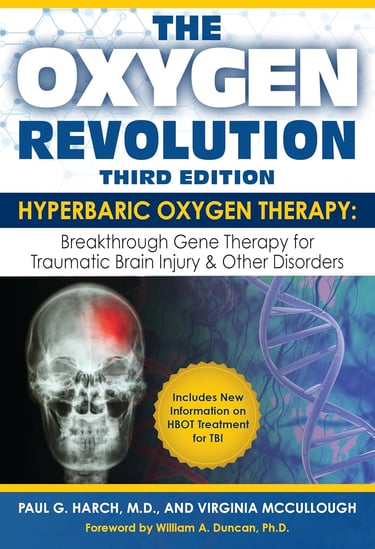
Cancer Cured: Victory Over The War On Cancer Paperback – April 29, 2017
by Mark Sloan (Author)


Contact Us!
TuberoseHealing@protonmail.com
(727) 233-2978
Subscribe to our website.