
PSYCHIATRIC INSANITY

"Psychiatry is probably the single most destructive force that has affected the society within the last fifty years."
— Thomas Szasz, M.D., 1993
"I thought I had seen psychiatry at its worst with its fixation on barbaric practices such as electroshock treatment. I was wrong. Nothing compares to the viciously covert mental and physical abuse that is dealt innocent children through psychiatric drugging and psychology-based curricula today."
— Michael Chavin, M.D., 1998
What Is Psychiatry?
A psychiatrist is a medical doctor. They go to medical school, earn an M.D., and then specialize in the treatment of people labeled with mental disorders. Because they are physicians, psychiatrists have the unique authority to prescribe powerful drugs, administer electroshock, and hospitalize people against their will. In many places, they can also force treatment on you if a judge agrees. The modern psychiatrist spends very little time talking with patients. Their training emphasizes diagnosis and chemical treatment. As psychiatrist Peter Breggin explains in his book Psychiatric drugs hazards to the brain, these medications work by disabling normal brain function. They do not correct a chemical imbalance; they create one. The supposed treatments of psychiatry often cause more harm than the problems they claim to fix.
As physicians, psychiatrists have the right to prescribe drugs or electroshock, to hospitalize patients, and to treat people against their will. They are the only mental health professionals who routinely exercise these powers. Psychiatry sets the tone and direction for the field of mental health and has been rapidly pushing it toward a more biological or medical viewpoint.
Psychotherapists are a very broad group, which includes anyone helping people with problems by talking with them. Not all psychiatrists are psychotherapists or "talking doctors." Many psychiatrists have little or no training in how to communicate with people about their problems. Instead, they are trained in making "medical" diagnoses and giving drugs and electroshock.
Psychologists are educated in graduate schools of psychology rather than in medical schools, and they receive a Ph.D. rather than an M.D. Clinical psychologists are given training that overlaps with psychiatrists, and they often receive much more intensive training in psychotherapy than do psychiatrists.
In addition to psychiatrists and psychologists, many other professionals also offer psychotherapy, including clinical social workers, counselors, family therapists, some nurses, some ministers, and a variety of lay people.
Psychoanalysis is the form of psychotherapy founded and developed by Sigmund Freud. Contrary to popular belief, Freud was not the father of psychiatry. Psychiatry existed long before Freud, and had been and largely has been hostile to his teachings. Freud did not become a psychiatrist, and he warned his colleagues to beware of the medical profession. Nonetheless, psychiatry took over and overwhelmed psychoanalysis in the United States. Very few psychiatrists have become psychoanalysts, and psychoanalysis has very little influence in modern psychiatry.
If you are educated in the humanities or have read a few good self-help psychology books, and if you like to think about yourself and others, you may have more insight into personal growth than your psychiatrist does. On the other hand, your psychiatrist will have more power than you. He or she can prescribe drugs or shock, lock you up against your will, talk behind your back with your family, and make plans for your future without consulting you.
The Modern Psychiatrist
Many people continue to think of the psychiatrist as a wise, warm, and caring person who will help them tackle their problems. But the modern psychiatrist may have no interest in "talking therapy." His or her entire training and commitment is more likely devoted to "medical diagnosis" and "physical treatment." He or she may look at you with all the empathy and understanding of a pathologist staring through a microscope, and then offer you a drug.
Biopsychiatry lives by the principle that its patients are so different from other humans that almost anything can be done to them, including surgical, electrical, and chemical lobotomy. By contrast, an ethical helping person assumes that those seeking help possess the same human sensitivities as anyone else, including the therapist.
The brain-disabling principle applies to all of the most potent psychiatric treatments — neuroleptics, antidepressants, lithium, electroshock, and psychosurgery. All of the major psychiatric treatments exert their primary or intended effect by disabling normal brain function. None of the major psychiatric interventions correct or improve existing brain dysfunction, such as any presumed biochemical imbalance. If the patient happens to suffer from brain dysfunction, then the psychiatric drug, electroshock, or psychosurgery will worsen or compound it.
Iatrogenic Helplessness
Even without the production of brain dysfunction, the giving of drugs or other physical interventions tends to reinforce the doctor's role as an authority and the patient's role as a helpless sick person. The patient learns that he or she has a "disease," that the doctor has a "treatment," and that the patient must "listen to the doctor" in order to get well.
The patient's learned helplessness and submissiveness is then vastly amplified by the brain damage. The patient becomes more dutiful to the doctor and to the demoralizing principles of bio-psychiatry. Only in psychiatry does the physician actually damage the individual's brain in order to facilitate control over him or her.
Lobotomy — Surgical and Chemical
Surgical Lobotomy
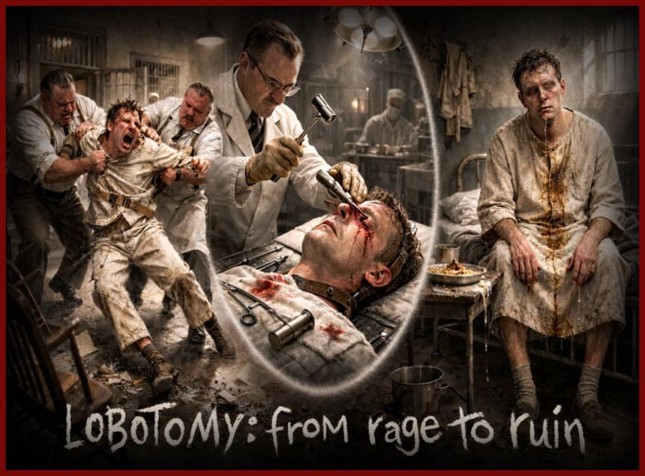
Lobotomy usually refers to the surgical cutting of nerve connections between the frontal lobes and the remainder of the brain. The frontal lobes are the seat of higher human functions, such as love, concern for others, empathy, self-insight, creativity, initiative, autonomy, rationality, abstract reasoning, judgment, future planning, foresight, willpower, determination, and concentration. The frontal lobes allow us to be "human" in the full sense of that word; they are required for a civilized, effective, mature life.
Lobotomy basically knocks the frontal lobes out of commission. In the extreme, the patient becomes obviously demented, with the deterioration of all higher mental function. Surgically lobotomized people often deny both their brain damage and their personal problems. They will loudly declare, "I'm fine, never been better," when they can no longer think straight.
So many lobotomies were performed on inmates of state mental hospitals because lobotomized patients become more dependent and more suitable for control in a structured institution. Deprived of their autonomy, initiative, or willpower, their performance is considered better in a structured situation.
Chemical Lobotomy (Neuroleptic Drugs)
The neuroleptic drugs are chemical lobotomizing agents with no specific therapeutic effect on any symptoms or problems. Their main impact is to blunt and subdue the individual. They also physically paralyze the body, rendering the individual less able to react or to move.
Dopamine neurotransmitters provide the major nerve pathways from the deeper brain to the frontal lobes and limbic system — the very same areas struck by surgical lobotomy. Most psychosurgery cuts the nerve connections to and from the frontal lobes and limbic system; chemical lobotomy largely blocks the nerve connections to the same regions. Either way, coming or going, it's a lobotomy effect.
Electroshock Therapy (ECT)
How ECT Works
Electroshock involves the passage of an electrical current through the head and brain to produce a grand mal or major epileptic seizure with unconsciousness. The shock induces an electrical storm that obliterates the normal electrical patterns of the brain. A shock-induced seizure is typically far more severe than those suffered during spontaneous epilepsy.
Typically, the treatment is given three times a week for a total of at least six to ten sessions. After several sessions of shock, the patient awakens in a state of apathy and docility. There will be some memory loss and confusion, and often a headache, stiff neck, and nausea.
Brain Damage
Because shock treatment routinely causes an acute organic brain syndrome or delirium, the question is not whether shock can cause brain dysfunction — it always does. The only legitimate question is, "How often is recovery complete?" As many as 50% of patients studied, with neuropsychiatric testing, have demonstrated organic cognitive deficits. Cell death and widespread small hemorrhages are confirmed by human autopsy studies.
It usually takes two to four weeks for the EEG to return to normal after ECT; however, some abnormalities may persist several months or longer. Some studies show that many patients never recover normal EEGs following shock treatment.
As advocate Max Fink has noted in professional publications, shock treatment works in part by causing the typical aftermath of closed-head injury. If a woman received an accidental shock in her kitchen and fell to the floor convulsing, she'd be rushed to an ER and treated as an acute medical emergency. But on a psychiatric ward she'd be told she was doing fine, while the electrical closed-head injury was inflicted again and again.
Who Receives ECT
Approximately 100,000 Americans are given electroshock each year, including the elderly, pregnant women, and children — a figure that has remained consistent for decades, though the percentage of elderly patients has continued to rise. Data from studies in California, Illinois, and Vermont show that about 62.3% of recipients are women and 30.3% are 65 years or older.
Vulnerable elderly women, who often live in relative isolation and are desperately in need of emotional support, remain among the most frequent victims of shock treatment. The elderly are far more sensitive to electroshock's damaging effects, including brain damage and dysfunction.
The FDA and the APA
In 1979, the FDA put shock machines into Class III — the most restrictive category for medical devices — which would have required manufacturers to provide premarketing data on safety and effectiveness, likely necessitating renewed animal testing. Led by the American Psychiatric Association, psychiatry lobbied to have that decision reversed and succeeded. This illustrates how psychiatry places self-interest above both scientific inquiry and the well-being of its patients.
Electroshock and the CIA
D. Ewen Cameron of Canada subjected patients to twice-daily doses of multiple electroshocks to maintain them in one prolonged stupor — typically thirty to forty or more shocks during his experiments in the late 1950s and early 1960s. The result was a severe delirium; patients would lose their sense of identity and sometimes become delusional. Robbed of virtually all memory, patients were then "reprogrammed" with new memories and a more docile personality.
What made Cameron newsworthy was the disclosure that he had been secretly financed by CIA funds. Eager to learn how to "brainwash" people and wipe out their memories, the CIA found a willing ally in Cameron. This was documented in detail in John Marks' 1979 book The Search for the 'Manchurian Candidate.'
Neuroleptic Drugs (Antipsychotics)
Overview
The neuroleptics or antipsychotics are the most frequently prescribed drugs in mental hospitals and are widely used in board-and-care homes, nursing homes, institutions for people with mental retardation, children's facilities, and prisons. Rather than treating a disease, the neuroleptics create a disease. They produce a chemical lobotomy and a chemical straitjacket.
Common neuroleptics include: Haldol (haloperidol), Thorazine (chlorpromazine), Stelazine, Mellaril, Prolixin, Navane, Trilafon, Clozaril (clozapine), and many others.
When given relatively small doses, neuroleptics cause the patient to sit or lie motionless in bed, often pale and with eyelids lowered, answering slowly and deliberately in a monotonous and indifferent voice, expressing himself in a few words before becoming silent.
On many psychiatric wards the neuroleptics are given to 90–100% of patients; in many nursing homes, to 50% or more of elderly residents; and in many institutions for persons with mental retardation, to 50% or more of the inmates.
Weight Gain
Research has confirmed that certain antipsychotic drugs — particularly olanzapine (Zyprexa) and clozapine (Clozaril) — cause massive weight gain by increasing the activity of the enzyme AMPK in the brain regions that regulate eating behavior, through interference with the protein histamine. Patients on these medications have been known to gain an average of 22 pounds in the first year, placing them at increased risk for obesity, diabetes, and cardiovascular disease.
Tardive Dyskinesia, Akathisia, and Dementia
Tardive dyskinesia is a movement disorder frequently caused by neuroleptic drugs that can afflict any of the voluntary muscles. It manifests as uncontrollable twitches, spasms, or writhing movements — uncontrollably sticking out the tongue, blinking spasmodically, or craning the neck. Most cases are permanent, and there is no known treatment.
Some experts have begun to admit that nearly all long-term patients are likely to succumb to tardive dyskinesia. The initial studies of tardive dyskinesia showed that many and sometimes all patients were also suffering from serious mental dysfunction, including dementia.
Tardive akathisia — anxiety, nervousness, and an uncontrollable drive to move the body against one's own will — is a particularly insidious problem among children treated with neuroleptics. It can induce unbearable tension and anxiety. The drugs create the very symptoms they are supposed to control, leading to a vicious circle of ever-larger doses.
Tardive dementia — a global deterioration of the mind caused by the drugs — remains more controversial within the profession, although evidence for its existence seems incontrovertible.
Neuroleptic Malignant Syndrome
A small percentage of patients develop neuroleptic malignant syndrome — a dramatic toxic reaction marked by lobotomy-like indifference, progressing to fever and sweating, unstable cardiovascular signs, bizarre dyskinesia, and in severe cases, delirium, coma, and death. These are among the most dangerous medications ever used in medicine.
Withdrawal
Withdrawal can cause a temporary or permanent worsening of psychotic symptoms, with anxiety and even anguish as a result of central nervous system rebound. Withdrawal commonly produces a very distressing flu-like syndrome, including runny nose, headache, fever, muscle and joint aches, and gastrointestinal upset. Symptoms of possible dementia — silliness, erratic moods, difficulty focusing attention, wandering speech — will be seen as evidence of an innate mental illness rather than drug withdrawal.
Minor Tranquilizers and Sedatives
Overview
Approximately 11.4% of U.S. adults took prescription medication for depression in 2023, with women (15.3%) more than twice as likely as men (7.4%). Benzodiazepine prescriptions remain among the most widely dispensed psychiatric medications. Among adolescents and young adults aged 12–25, the monthly antidepressant dispensing rate increased 66.3% between January 2016 and December 2022, with the rate accelerating sharply after the COVID-19 outbreak in March 2020.
The minor tranquilizers include the benzodiazepines: Librium, Valium, Xanax, Tranxene, Klonopin, Ativan, Halcion, and others. They differ mostly in their duration of action. All have the potential for abuse and addiction.
Central Nervous System Depression
All of the commonly used minor tranquilizers are central nervous system depressants very similar to alcohol and barbiturates in their clinical effects. They are classified as sedative-hypnotics, meaning that they produce relaxation at lower doses and sleep — and eventually coma — at higher ones.
All minor tranquilizers combine with other central nervous system depressants — such as barbiturates, antidepressants, neuroleptics, lithium, and alcohol — with a potentially fatal result. All of the minor tranquilizers impair mental alertness and physical coordination and can dangerously compromise mechanical performance such as automobile driving.
Addiction, Tolerance, and Withdrawal
All hypnotic-sedatives, including the minor tranquilizers, are habit-forming and addictive and can produce withdrawal symptoms when they are stopped. In the extreme, the abstinence syndrome can cause life-threatening neurological reactions, including fever, psychosis, and seizures. Obvious withdrawal symptoms typically last two to four weeks; subtle ones last months.
The short-acting benzodiazepines — Xanax, Halcion, Ativan, Restoril, and Serax — can produce especially severe withdrawal symptoms because the drug is cleared from the body at a relatively rapid rate. After the patient stops taking Xanax, it takes the brain six to eighteen months to recover.
Long-Term Effects
Despite the obvious need for concern, few studies have attempted to measure the impact of long-term minor tranquilizer usage on overall mental function. Tests show chronic impairment in measures of visual-spatial ability and attention span. Patients are not functioning well in everyday life while remaining unaware of their impairment. Cerebral ventricular enlargement — the equivalent of brain atrophy — is found in long-term use of alcohol and the minor tranquilizers.
Antidepressants
Overview
Antidepressants are now among the three most commonly used drug classes in the United States. In 2023, 11.4% of adults reported taking prescription medication for depression. Among adolescents and young adults, antidepressant dispensing rates increased dramatically — up 66.3% from 2016 to 2022, with the rate of increase accelerating sharply after COVID-19. Women remain more than twice as likely as men to be prescribed these medications.
Antidepressants reduce emotional responsiveness. They also tend to produce an organic brain syndrome or delirium — the brain's response to generalized damage from any source, such as toxic drugs or electroshock. A patient is rendered unable to stay depressed during an episode of organic brain dysfunction, because depression requires a relatively intact brain and mind. Rendered either apathetic or artificially euphoric by brain dysfunction, the patient is evaluated as "improved."
Tricyclic Antidepressants
The tricyclic antidepressants include Tofranil (imipramine), Elavil (amitriptyline), Sinequan (doxepin), Norpramin (desipramine), and others.
They are, in many ways, neuroleptics in disguise — they were originally tested as neuroleptics because chemically they are very similar to Thorazine.
Nearly all of the antidepressants commonly produce: blurred vision, dry mouth, suppressed function of the gut, bladder, and sexual organs, low blood pressure on standing, weight gain, sleep disturbances, seizures, and impaired cardiac function. They can cause death when only a few doses are taken at once. It is estimated that 55% of adults will undergo withdrawal symptoms when stopping these medications.
Monoamine Oxidase Inhibitors (MAOIs)
MAOIs — including Marplan, Nardil, Parnate, and Eutonyl — are among the most dangerous agents used in medicine. Careful adherence to a special diet is required to avoid very severe and life-threatening cardiovascular reactions. They are very lethal in overdose, a special hazard in potentially suicidal depressed patients.
Prozac and SSRIs
Prozac (fluoxetine), introduced in January 1988, was one of the first of a new generation called SSRIs (Selective Serotonin Reuptake Inhibitors). Other competitors include Zoloft (sertraline), Paxil (paroxetine), Luvox (fluvoxamine), and Serzone (nefazodone).
Prozac causes headache, nausea, somnolence, anxiety, agitation, insomnia, bizarre dreams, loss of appetite, sweating, dizziness, impotence, and inability to achieve orgasm, among other effects. A growing body of clinical literature describes compulsive suicidal behavior and aggressive, murderous activity in people taking Prozac.
Prozac often affects individuals as if they are taking stimulants such as amphetamine or cocaine. It can produce the whole array of stimulant effects: sleeplessness, increased energy, jumpiness, anxiety, artificial highs, and mania. Some patients become psychotic on Prozac.
Akathisia — severe anxiety, restlessness, floor pacing, and sleeplessness — occurs in up to 25% of patients on Prozac. Akathisia can become the equivalent of biochemical torture and could tip someone over the edge into self-destructive or violent behavior.
The Prozac controlled testing trials lasted a mere five or six weeks. Once approval of a drug is given, there is no reliable mechanism at the FDA for keeping track of dangerous effects that turn up with long-term use. FDA approval grossly misleads the public, lulling it into an unfounded sense of security.
Depression Caused by Antidepressants
Because of their depressant and debilitating effects, psychiatric drugs can make people feel so bad they want to kill themselves. The administration of antidepressants can cause depression, especially early in treatment. Any drug that disrupts mental function can make people feel more helpless and despairing. Since antidepressants are now among the drugs most commonly implicated in successful suicides, it seems more appropriate to designate them as suicide-associated drugs rather than antisuicide drugs.
Lithium
Overview
Lithium carbonate is widely promoted as a "natural" substance that corrects a biochemical imbalance in manic-depressive disorder, comparable to the function of insulin in diabetes. None of this is true. Like lead and mercury, lithium is a toxic metal with no known function in the body. While insulin actually functions to help the metabolism of sugar, lithium does nothing so positive — instead, it interferes with nerve transmission in general, slowing down the responses of the brain.
As the 1960 standard textbook Goodman and Gilman's Pharmacological Basis of Therapeutics observed, lithium has "no biological function" and "the only pharmacological interest in lithium arises in the fact that it is toxic."
Discovery and Effects
John Cade accidentally discovered lithium's effect while injecting it into guinea pigs in his laboratory in Australia. He noticed the guinea pigs became sedated and even flaccid. This is not the discovery of a treatment specific for a "biochemical imbalance" — it is the familiar brain-disabling effect seen with the neuroleptics.
A 1977–79 study of normal volunteers showed a "general dulling and blunting of various personality functions" and overall slowing of cognitive processes. It created "increased levels of drowsiness and lowered ability to work hard and to think clearly." Patients taking lithium frequently don't notice or report symptoms such as obvious tremors or skin rashes — this inattention reflects the psychological indifference or apathy produced by the medication.
Lithium Toxicity
Lithium toxicity signs include tremor (in 30–50% of patients), memory dysfunction, mental confusion, difficulty walking, slurred speech, blurred vision, nausea, and headache. In the late stages, the patient may become delirious and succumb to seizures and coma.
Other documented effects:
Lithium suppresses thyroid function, causing hypothyroidism and goiter in up to 10% of patients
Kidney problems associated with long-term treatment have been the subject of significant concern
20–30% of patients develop cardiac abnormalities as measured by electrocardiogram
Lithium raises the white-blood-cell count, and there are reported cases of leukemia in association with lithium treatment
More than 10% of women may experience hair loss on lithium
Depression
The Nature of Depression
Depression is one of the most dreadful human experiences. Too often, it ruins lives or leads to suicide. The experience of depression is often felt as dark and cold — utterly bleak — as if subsisting in a cave. Life loses its sunshine. Nothing seems enjoyable anymore.
Depression is a human — or animal — response to painful life circumstances, frequently in the form of losses. Depression lifts whenever a person regains hope and direction. It is especially responsive to changes in circumstances and relationships. Time by itself — and the personal resources and new experiences that surface as time passes — seems to cure the vast majority of depressions.
Suicide remains the second leading cause of death among youth and young adults ages 15–34, though rates have shown some recent decline. In 2024, youth suicide rates (ages 10–24) decreased overall. However, the rate remains 32% higher than in 2000. Approximately 2.6 million teens had thoughts of suicide in 2024, and 700,000 adolescents attempted suicide in the past year. Youth suicide rates increased 62% from 2007 to 2021 before beginning to decline.
Treatment
The data suggest there is no stronger medicine than psychotherapy for depression. If therapists can learn to tolerate the emotional suffering of depression patients and help guide them through it with specific psychotherapeutic strategies, as many as 80% will respond within 8 to 12 weeks of treatment, without drugs.
The most common and crucial sources of disabling depression lie in childhood losses and abuses. Removing the cause — which often includes addressing toxic metal exposure, especially mercury amalgam fillings — should be the first concern. Other than detoxifying heavy metals and drugs from the brain and nervous system, psychotherapy remains the treatment of choice.
The Hoax of Chemical Imbalance
Psychiatrist David Kaiser stated in 1996: "Modern psychiatry has yet to convincingly prove the genetic/biologic cause of any single mental illness. Patients have been diagnosed with chemical imbalances despite the fact that no test exists to support such a claim, and there is no real conception of what a correct chemical balance would look like."
As of 2024, mainstream psychiatry now widely acknowledges that the "chemical imbalance" theory (particularly the serotonin deficiency model of depression) was oversimplified and unsupported. A landmark 2022 review in Molecular Psychiatry by Joanna Moncrieff and colleagues found no consistent evidence that depression is caused by lower levels of serotonin or activity.
Organized psychiatry acts as if drugs are a necessity, but there's no convincing evidence that antidepressants are especially effective treatments. In the majority of FDA studies, Prozac proved equal to or only a little better than a sugar pill, but a lot more hazardous.
Empathy as the Key
Probably no other emotion is more highly developed or crucial in the human species than empathy. Lobotomy and newer forms of psychosurgery virtually eliminate it. The production of relative degrees of indifference toward oneself and others is a central feature of the physical treatments in psychiatry.
Prozac, for instance, disrupts two of the neurotransmitters most involved in frontal-lobe function — serotonin and dopamine — and in that process can rob us of our sensitivity, self-awareness, and capacity to care or to love. These drugs are anti-empathic agents. At their worst, the drug blunts empathy so that the person no longer has sympathy for himself or herself, or for anyone else. Then suicide and murder become possibilities.
Anxiety
The Nature of Anxiety
Anxiety is an overwhelming emotional turmoil, unawareness, or confusion for which we can locate no cause. We cannot act at all, because we have no idea what is going on. Since anxiety is a signal of overwhelm, it is not something to be gotten rid of, but something to be understood and then overcome through personal growth and change.
No biological cause for anxiety has been determined. The biological basis for anxiety is so flimsy that one textbook labels the exclusively biological approach "an extreme theoretical position that fails to take psychological facts into account." Despite all the hopes for finding a genetic basis of anxiety disorders, none has been demonstrated.
Anxiety and Drug Treatment
Anxiety can be temporarily alleviated by sedative drugs, including minor tranquilizers, barbiturates, opiates, alcohol, and antidepressants. But the effects are short-lived, with no evidence for sustained relief, and the hazards are considerable, including addiction, withdrawal reactions, rebound anxiety, mental dysfunction, and lethality.
It's important never to let anxiety motivate our choices or control our actions. The anxious person must marshal every bit of willpower to regain rational control. Physicians and psychotherapists should empower patients to trust themselves and their capacity to triumph over frightening emotions — through self-understanding, self-control, courageous attitudes, and successful principles of living.
Betraying and Drugging Children
The Scale of the Problem
As of 2022, approximately 7 million U.S. children (11.4% of those aged 3–17) have ever been diagnosed with ADHD — up from 4.4 million in 1997. This is an increase of roughly 1 million children compared to 2016 alone. Among children with current ADHD, approximately 53.6% receive ADHD medication. Among adolescents and young adults aged 12–25, antidepressant prescriptions increased 66.3% between 2016 and 2022.
The Hoax of ADHD
ADHD was invented in committee, at the American Psychiatric Association in 1980, and was literally voted into existence in 1987. Even the APA admits in its DSM-IV that there are "no laboratory tests that have been established as diagnostic" for "Attention Deficit/Hyperactivity Disorder."
As Dr. Baughman states: "ADHD is a total, 100% fraud. The many millions of schoolchildren around the world who are being drugged have no disease."
Paul Leber, M.D., of the FDA wrote: "As yet no distinctive pathophysiology for the disorder has been delineated." Gene Haislip of the DEA responded: "We are also unaware that ADHD has been validated as a biologic/organic syndrome or disease."
Financial incentives have fueled diagnosis rates. In 1990, doors were opened to a lucrative cash welfare program for low-income parents whose children were diagnosed with ADHD. In 1991, eligibility rules changed for federal education grants, providing schools with $400 in annual grant money for each child diagnosed with ADHD.
Ritalin (Methylphenidate)
Ritalin is structurally related to amphetamine, and its pharmacological properties are essentially the same. It is classified among the highly addictive drugs. The Drug Enforcement Administration (DEA) puts Ritalin in Class II, along with morphine, barbiturates, and other prescription drugs with a high potential for addiction or abuse.
U.S. production of methylphenidate-class stimulants has continued to escalate. Controlled studies have shown that Ritalin affects the brain similarly to cocaine. A study of California adolescents diagnosed with ADHD found that, as adults, those treated with Ritalin as children were three times more likely to use cocaine.
Long-term use of Ritalin tends to create the very same problems it is supposed to combat — attentional disturbances and memory problems, as well as irritability and hyperactivity. According to the DSM-III-R, "Suicide is the major complication" of withdrawal from Ritalin and similar drugs. Children on Ritalin often report feeling "funny," "out of touch," and "weird." They are emotionally suppressed or flattened. Other negative effects include sadness or depression, social withdrawal, growth suppression (both height and weight), tics, nausea, headache, and psychosis.
The Influence of Psychiatry on Education
The transformation of schools from places of academic learning to psychiatric clinics has been a decades-long project. Beginning with the work of Wilhelm Wundt, John Dewey, and other early behaviorist theorists, and accelerating through the formation of the World Federation for Mental Health (WFMH) in 1948, psychiatry systematically infiltrated education.
As WFMH co-founder John Rawlings Rees stated in 1940: "We must aim to make it permeate every educational activity in our national life... If we are to infiltrate the professional and social activities of other people I think we must imitate the Totalitarians and organize some kind of fifth column activity."
Teen suicides tripled between 1960 and 1990. Since 2007, youth suicide rates (ages 10–24) increased 62% through 2021 before beginning to decline. In 2022, suicide was the third-leading cause of death for teens aged 15–19. Literacy and academic performance have continued to decline in parallel with the medicalization of education, with international rankings placing the U.S. well below many developed nations in reading and mathematics.
Rethinking Psychiatry
We must ask ourselves whether drugs actually help people understand and take better control over their inner mental lives and their conduct, and whether the potential moral downside isn't too great. Taking psychoactive drugs on a regular basis readily becomes a symbolic gesture that interferes with personal growth and fosters personal failure.
There are no known biological causes of depression in the lives of patients who routinely see psychiatrists, except nutrient deficiency (especially B-vitamins) and toxic metals — particularly mercury from dental amalgams. There is no known genetic link in depression. There is no sound drug treatment for depression.
In the world of modern psychiatry, claims can become truth, hopes can become achievements, and propaganda is taken as science. Biopsychiatric research is based too often on distortions, incomplete information, and sometimes outright fraud, at the expense of reason and science.
We can never fully anticipate all of the damaging effects inflicted on the individual and their families by the neuroleptics and other toxic drugs. We must assume that numerous harmful effects go unnoticed. The human body is not the place to dispose of toxic chemicals, including those put out by the dental, psychopharmaceutical, and psychiatric industries.
That so many people feel a need for cosmetic psychopharmacology or an artificial infusion of hope suggests that our society is failing to inspire us, and that we live lives of quiet desperation devoid of nurturing, comfort, and a sense of connection with others and with the world. If you turn to drugs, you turn away from life.
Recent Developments (2024–2026)
The core warnings laid out throughout this document are not relics of a past era — they are being confirmed and amplified by current events unfolding right now. The following is a summary of the most significant recent news on the subject.
The Federal Government Turns on Psychiatric Drugs (May 2026)
In one of the most significant federal policy shifts in the history of American mental health, HHS Secretary Robert F. Kennedy Jr. launched a sweeping initiative on May 5, 2026 to reduce what he calls the "overprescribing" of psychiatric medications. HHS agencies have announced plans to "evaluate prescription patterns for psychiatric medications, their benefits and potential harms, and elevate the role of nonmedication treatments and scalable, evidence-based solutions to improve mental health."
With nearly one in six American adults currently taking SSRIs — including Zoloft, Prozac, Lexapro, and Paxil — the initiative represents a fundamental shift in federal mental health policy. Kennedy described the drugs as "exceptionally difficult to quit," linking prolonged use to inadequate clinician support for patients attempting to discontinue treatment.
This announcement followed a February 2025 Executive Order establishing the Make America Healthy Again Commission, tasked with assessing "the prevalence of and threat posed by the prescription of selective serotonin reuptake inhibitors (SSRIs), antipsychotics, mood stabilizers, stimulants, and weight-loss drugs."
A 2026 survey published in a peer-reviewed medical journal found that while approximately 16.6% of U.S. adults currently take antidepressants, only 10.4% receive psychotherapy. This gap — medication without talk therapy — lies at the heart of the new policy debate.
The Chemical Imbalance Theory Is Now Officially Discredited
The foundational claim used to justify decades of antidepressant prescribing has now been publicly abandoned, even by mainstream researchers. A landmark 2022 review in Molecular Psychiatry by Joanna Moncrieff and colleagues found no consistent evidence that depression is caused by lower serotonin levels or reduced serotonin activity. The "low serotonin = depression" model — used to market SSRIs like Prozac to tens of millions — was not supported by the research literature.
Critics now argue that antidepressants are better understood through what researcher Joanna Moncrieff calls a "drug-centered model" — they alter brain states, but do not correct any identified underlying deficiency. The argument has been made that we should consider antidepressants more akin to alcohol than antibiotics — their effects better resemble recreational drugs than medications that correct a disease process.
Antidepressants During Pregnancy: New Safety Alarms
An FDA-sponsored expert panel in July 2025 highlighted deepening divisions over antidepressant safety during pregnancy, with roughly half the panelists calling for stronger warnings about potential fetal risks, including congenital heart malformations and neurodevelopmental problems. This is a concern that has grown as SSRI prescriptions have continued to climb dramatically among women of childbearing age.
The "Prescribing Cascade" for Children: Wall Street Journal Investigation
In November 2025, The Wall Street Journal published a major investigation revealing that children who start on ADHD medication are far more likely to be on additional psychiatric drugs within four years, and that most had never received behavioral therapy, even though guidelines from the American Academy of Pediatrics advise behavioral approaches first for young children.
The investigation told the story of Danielle Gansky, who was 7 years old when her school suggested a psychiatric evaluation for distraction and sloppy work. What followed was a decades-long journey through 14 psychiatric medications that left her unsure who she might have become without them. Danielle began with a stimulant intended to help her focus. Instead, it left her agitated and moody. Prozac was added. Then more medications. Each new pill promised balance but created a deeper sense of detachment.
Clinical psychologists writing in Mad in America (December 2025) sounded the alarm: tens of thousands of American children are currently on ADHD polypharmacy treatment regimens. There is no scientific evidence base for routine use of multiple psychiatric drugs. Psychiatric polypharmacy is unhealthy when used to treat adults.
ADHD Medication Use Has Gone Global
A January 2026 study published in The Lancet Regional Health – Europe, covering five countries from 2010 to 2023, found a substantial increase in ADHD medication use across Europe and raised concerns about possible overdiagnosis and inappropriate prescribing.
A 2025 Finnish study raised further concerns: for boys who started ADHD medication at the age of 6–8 years, the median duration of medication treatment was 6.3 years, and for a quarter of them, the treatment lasted more than 9.4 years. The long-term effects of years of stimulant treatment on the developing brain remain largely unknown.
Additionally, a 2025 analysis of more than 230,000 secondary school students found that students attending schools with the highest rates of medical stimulant use had approximately 36% greater odds of engaging in nonmedical use of prescription stimulants — confirming the pipeline from Ritalin to street drug abuse documented in this book decades earlier.
Keith Conners — one of the early advocates for the recognition of ADHD whose rating scale became the standard diagnostic tool — spent the final years of his life warning that ADHD had become "a national disaster of overdiagnosis" and feared he had helped fuel a runaway culture of medication.
ECT: New Research, New Lawsuits, WHO Condemnation
The Harm Is Broader Than Memory Loss
A 2025 international survey of 747 ECT recipients and 201 relatives from 37 countries found that the harms of ECT extend far beyond memory loss. The seven most frequently reported adverse effects were:
• Losing train of thought (87%)
• Difficulty concentrating (86%)
• Fatigue (80%)
• Difficulty reading (78%)
• Emotional blunting (76%)
• Difficulty navigating (73%)
• Loss of vocabulary (72%)
Loss of employment was reported by 55% of recipients as a direct consequence of ECT. Each of the 25 adverse effects surveyed met the European Medicines Agency's threshold for classification as "very common." A BMJ survey found that patients were nearly four times more likely to recall being told that ECT-induced memory problems were temporary rather than long-term.
WHO and the United Nations Sound the Alarm
In 2023, a joint report by the World Health Organization and the United Nations confirmed that anyone offered ECT should be made aware of all its risks and potential short- and long-term effects, such as memory loss and brain damage. The WHO/UN guidance specifically called for protections against abusive use of ECT and other mental health interventions.
Lawsuits Against ECT Manufacturers
Dozens of lawsuits have been filed across the United States by survivors harmed by ECT machines. One plaintiff, Jeffrey Thelen, alleged that Somatics — one of only two ECT device manufacturers in the U.S. — negligently failed to adequately warn about the known risks associated with its ECT machines, including brain damage and memory loss. A 2003 review of self-reported memory loss among ECT patients found persistent or permanent memory loss in 29–55% of patients, with an average of 38%.
In a parallel California case, the state Supreme Court ruled that the "learned intermediary rule" — which historically allowed manufacturers to escape liability by warning only physicians rather than patients — could be challenged by injured patients, making it easier for ECT survivors to seek compensation.
Toward Healing
Psychotherapy
Other than detoxifying heavy metals and drugs from the brain and nervous system, the data suggest there is no stronger medicine than psychotherapy for depression. The vast majority of people overcome depression without resort to any mental health services — through their own inner strength, through reading and contemplation, friendship and love, work and play, religion, art, travel, and the passage of time.
Spontaneous improvement of depression (with no psychiatric treatment whatsoever) takes place in at least one-quarter of patients within the first month or so of becoming depressed, and in one-half or more over a few months.
Life as an Ethical Journey
Life is an ethical journey in which we find our way by assuming as much responsibility for the conduct of our lives as possible. Refusing to be guided by guilt, shame, and anxiety is a major step toward making room within oneself for reason and love. Once a person refuses to empower self-destructive feelings, those feelings tend to wither with time.
Depression and love for life are incompatible, and love for life will always triumph when the individual finds strength and courage to embrace it as the guiding principle of life. To lift oneself out of depression often requires:
• Facing the childhood hurts and adult disappointments that have made us vulnerable
• Opening ourselves to suffering as a universal human experience, and moving through the painful emotions to a place of greater wisdom and acceptance
• Finding the courage to live in ways that we find truly satisfying and to pursue our most personal and idealistic goals
• Embracing the interconnectedness of ourselves and others, including all life forms
• Learning to love ourselves, others, and life itself
"Psychiatric Insanity" by Robert Broe
Contact Us!
TuberoseHealing@protonmail.com
(727) 233-2978
Subscribe to our website.